
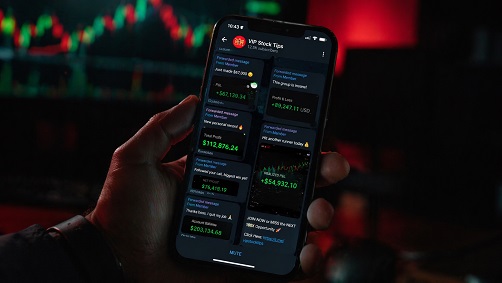
"You are unknowingly added to a WhatsApp group named 'Motilal Oswal VIP Group' or 'Jhunjhunwala Stock Tips'. Every day, hundreds of screenshots showing massive profits flood the chat. It creates an irresistible temptation..."
1. How Does the Scam Begin? (The Hook)
The trap usually begins when you are added to a WhatsApp or Telegram group without your consent. The group name is designed to look highly professional, often impersonating reputed stock brokers (e.g., Angel One, Zerodha) or famous investors.
- The group typically contains around 150 members. What you don't know is that 140 of them are scammers operating fake accounts.
- Every morning, the "Group Admin" provides stock tips. Immediately, the fake members reply with messages like, "Sir, thanks to your tip, I made 2 Lakhs today!" accompanied by forged profit screenshots.
- This orchestrated theater creates a massive Fear Of Missing Out (FOMO). The 10 real victims in the group eventually give in and message the admin asking how to invest. The trap is sprung.
2. The Technical Deception (The Hacker's Playbook)
To trade, you normally use regulated apps like Upstox or Groww. However, the scammers will tell you to avoid these. Instead, they send you a fake APK link , claiming, "We have a special Institutional Quota on this app, which allows us to buy shares at a heavily discounted price."
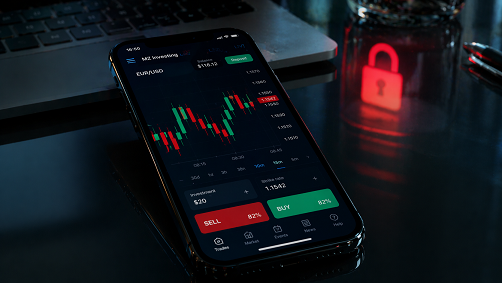
Why does the Fake App look so perfect?
When a victim opens the fake app and checks the price of a stock like Reliance or Tata Motors, the price matches the live Google/NSE price perfectly. How? The hackers use APIs (Application Programming Interfaces) to legally pull live market data and display it in their fake app. It creates the ultimate illusion. You are playing a simulated game, and no real shares are ever purchased.
3. The Sunk Cost Fallacy (The Tax Trap)
Initially, you might test the waters by investing ₹10,000. Within days, the fake dashboard shows your portfolio has grown to ₹15,000. The scammers will allow you to withdraw this money to your bank account. This builds absolute trust.
Convinced by the easy money, victims then invest lakhs. The app soon shows a staggering "profit" of ₹30 Lakhs. But when you try to withdraw your wealth, the real extortion begins:
- "Sir, to withdraw ₹30 Lakhs, you must first pay a 20% Capital Gains Tax upfront (₹6 Lakhs)."
- If you pay the ₹6 Lakhs out of desperation, they introduce another hurdle: "Your account is frozen due to suspicious activity. Pay a penalty of ₹2 Lakhs."
- They exploit your psychology. You keep paying, hoping to unlock your funds. In reality, not a single rupee will ever be returned.
4. Where Does Your Money Go? (The Money Trail)
Your transferred funds never enter the stock market. Instead, they are routed to Mule Accounts —bank accounts opened in the names of unaware poor individuals for a small commission. Within minutes, the money is funneled through multiple accounts, converted into Cryptocurrency (like USDT), and transferred to wallets controlled by syndicates in countries like China, Cambodia, or Dubai.
5. Red Flags & Your Action Plan
The Ultimate Red Flag: Any app link (APK) sent via WhatsApp that is not available on the official Google Play Store or Apple App Store is a scam. Furthermore, SEBI-registered analysts are legally prohibited from promising guaranteed returns via social media groups.
What to do if you have been scammed?
- Mistake 1: Never pay any additional "tax" or "penalty" fees to withdraw your money. It is a lie.
- Mistake 2: Do not delete the WhatsApp chat history out of fear. It is crucial digital evidence for the police.
- The Solution: Immediately dial the National Cyber Crime Helpline at 1930 . Following the call, file a formal complaint at cybercrime.gov.in . Reporting within the "Golden Hour" allows banks to freeze the mule accounts and potentially save your funds.